

Key Takeaways
- Routine gutter cleaning prevents water damage and costly repairs.
- Proper safety equipment and tools ensure effective, accident-free cleaning.
- Post-cleaning inspection and regular maintenance extend gutter lifespan.
Gutter cleaning and maintenance are essential for protecting your property from water damage and structural issues. This guide delivers actionable steps for homeowners, DIY enthusiasts, and property managers seeking to master gutter maintenance. By focusing on the effective use of safety equipment, thorough removal of gutter debris, and regular inspections, you’ll optimize your gutter system’s lifespan and performance.
Neglecting gutter cleaning can lead to costly repairs and significant property damage. Following a structured gutter cleaning checklist—covering everything from ladder setup and placement to installing gutter guards—ensures your home remains protected year-round. Let’s dive into the essentials every property owner should know.
Understanding Gutter Cleaning Importance
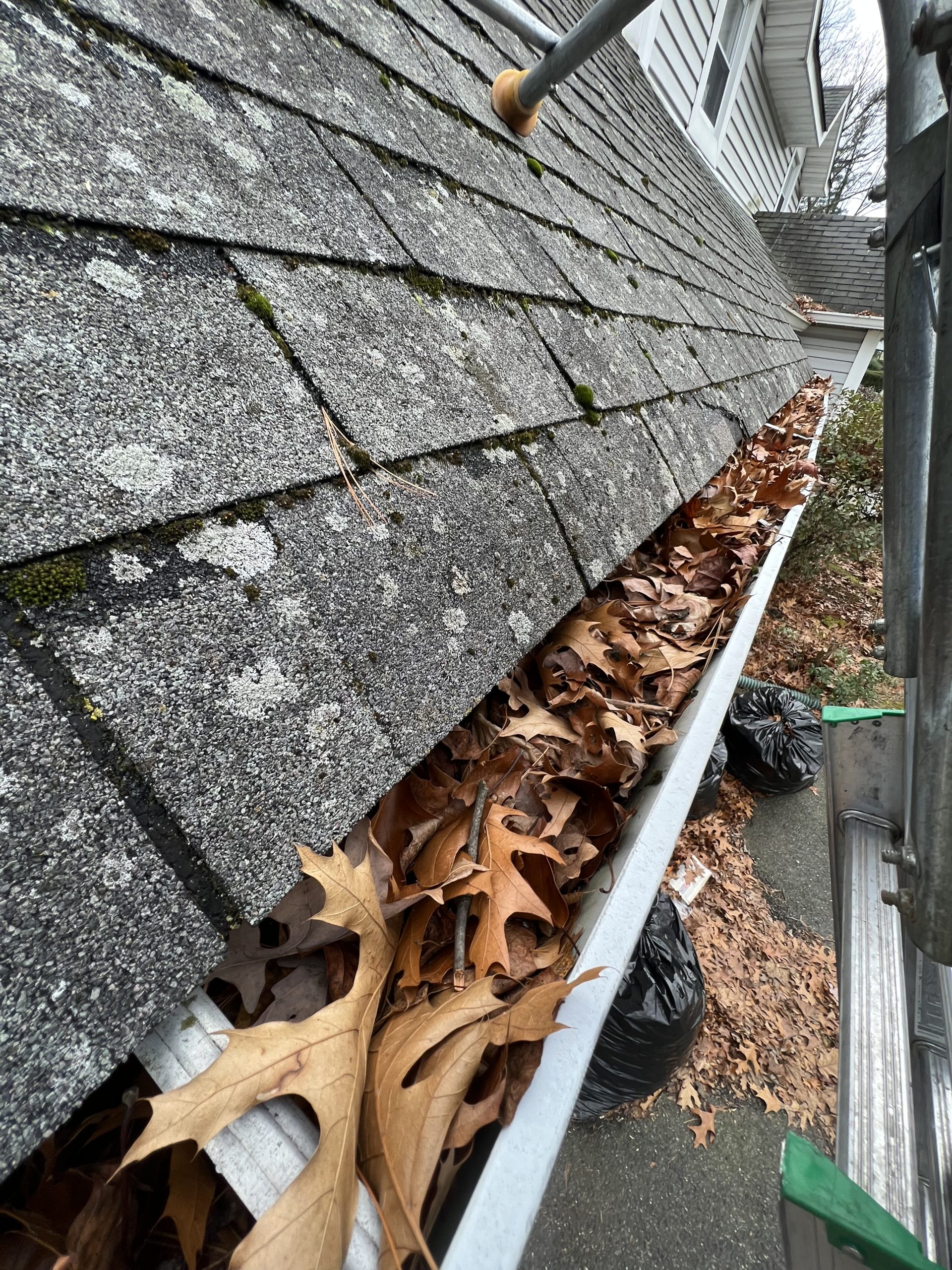
Gutter systems play a crucial role in channeling water away from your property. When gutters are clogged with debris such as leaves, twigs, and dirt, water overflows and damages your foundation, siding, and landscaping. The consequences of neglected gutters include mold growth, wood rot, and even structural failure. Regular gutter maintenance, using proper safety equipment, and following a consistent gutter cleaning checklist prevent these issues.
Routine cleaning includes the removal of gutter debris, flushing gutters with water, and inspecting downspouts for blockages. Seasonal changes, especially in autumn and spring, demand heightened attention due to increased debris accumulation. By adhering to a maintenance schedule for gutters, property owners can avoid costly repairs and extend the life of their gutter systems. Professional gutter cleaning services are an option for those seeking expert care or for multi-story properties requiring specialized equipment.
A disciplined approach—combining safe ladder setup and placement with the use of gutter guards—ensures your gutters remain clear and functional year-round. Commitment to these steps, reinforced by post-cleaning inspection steps and minor repairs, protects your investment and maintains curb appeal.
When to Clean Your Gutters
The ideal frequency of gutter cleaning depends on your local climate and surrounding foliage. Most experts recommend cleaning gutters at least twice a year, in spring and fall. However, properties with overhanging trees or frequent storms may require more frequent gutter cleaning. Signs that immediate cleaning is needed include overflowing water, visible debris, sagging gutters, or water stains on siding.
Seasonal considerations are critical. Spring cleaning removes winter debris and prepares gutters for seasonal rains, while fall cleaning addresses leaf accumulation. Local climate—such as heavy rainfall or snow—also impacts how often you should inspect and clean your gutters. Adhering to a maintenance schedule for gutters and using a gutter cleaning checklist ensures you don’t miss critical cleaning periods.
Noticeable issues like water pooling around your foundation or plants growing in your gutters signal urgent maintenance. By performing a post-cleaning inspection after each session, you catch minor issues before they become major problems. Scheduling regular cleanings and using proper safety equipment keeps your gutter system efficient and reliable.
Tools and Equipment for Gutter Cleaning
Effective gutter cleaning hinges on having the right tools and safety equipment. Begin with essential safety gear: gloves to protect your hands, eye protection to shield against debris, sturdy ladders for safe access, and non-slip shoes. Ensuring proper ladder setup and placement is fundamental for safety.
Manual cleaning tools include gutter scoops, trowels, and brushes, ideal for the removal of gutter debris. For tougher jobs, power tools like pressure washers and leaf blowers can be used to flush gutters with water and clear stubborn blockages. Specialized gutter cleaning attachments and extensions are available for reaching higher or difficult spots, minimizing the risks associated with ladders.
Gutter guards and screens are preventative tools that reduce debris accumulation and cut down on cleaning frequency. A comprehensive gutter cleaning checklist includes all these items, ensuring you’re prepared for every aspect of the job. Always prioritize the use of proper safety equipment and follow a systematic approach to avoid accidents.
Investing in the right gutter cleaning tools—tailored to your property’s unique needs—ensures efficient, thorough cleaning and extends the lifespan of your gutter system.
Step-by-Step Gutter Cleaning Process
Start by donning safety equipment and checking your ladder setup and placement. Remove large debris by hand, using gloves and a scoop. Work your way along the gutter, depositing debris into a bucket or tarp for easy disposal. For stubborn dirt, use a brush or trowel.
Next, flush gutters with water using a hose or a pressure washer, ensuring all remaining debris is cleared. Pay close attention to downspouts; clogged downspouts can lead to overflow and water damage. If water doesn’t flow freely, use a plumber’s snake or similar tool to clear blockages.
As you clean, inspect gutters for damage—look for cracks, rust, or sagging sections. Address minor repairs immediately to prevent escalation. Finally, install or check gutter guards to reduce future debris buildup.
Post cleaning inspection steps are vital: ensure all debris is removed, water flows smoothly through gutters and downspouts, and all tools are accounted for. This systematic approach—using proper safety equipment, removing gutter debris, and performing thorough inspections—guarantees effective gutter maintenance.
Advanced Gutter Cleaning Techniques & Tips
Choosing between DIY and professional gutter cleaning depends on your comfort, equipment, and property height. While DIY is cost-effective for single-story homes, professional gutter cleaning services offer advanced tools and expertise for multi-story buildings.
For environmentally friendly disposal, compost organic debris or use municipal yard waste services. Prevent future clogs with gutter guard installation tips: select guards suited to your gutter type and climate, and ensure they are properly fitted.
Cleaning different styles, such as K-style or half-round gutters, requires specific tools and techniques. Always use proper safety equipment and adhere to your gutter cleaning checklist for best results. Flushing gutters with water and performing post-cleaning inspection steps ensures no debris remains and all systems function correctly.
Regular maintenance and proactive measures—like installing gutter guards and scheduling cleanings—minimize the risk of clogs and water damage, optimizing the efficiency of your gutter system.
Common Gutter Problems and Troubleshooting
Sagging gutters often result from loose brackets or excess debris weight. Reattach gutters securely and remove any buildup. Leaking seams are a common issue; seal leaks with gutter sealant or replace damaged sections.
Downspout blockages prevent water from draining correctly. Use a hose to flush out minor clogs or a plumber’s snake for stubborn blockages. Ice dams, which form in cold climates, can damage gutters and roofing. Prevent ice dams by ensuring proper attic insulation and ventilation and by keeping gutters clear of debris.
These common gutter problems underscore the importance of regular maintenance, thorough removal of gutter debris, and adherence to gutter cleaning best practices. Following a maintenance schedule for gutters and immediate repairs protects your property year-round.
Post-Cleaning Maintenance & Inspection
After cleaning, conduct a visual inspection for leaks, sagging, or damage. Address minor repairs—such as sealing leaks or tightening brackets—immediately. Schedule future cleanings using a maintenance schedule for gutters, and keep a log of each cleaning session.
Long-term gutter health strategies include regular inspections, timely repairs, and gutter guard installation. By following post-cleaning inspection steps and maintaining a detailed gutter cleaning checklist, you ensure your gutter system remains functional and effective.
Consistent maintenance not only prevents water damage but also extends the lifespan of your gutter system, safeguarding your property and investment.
FAQs
How often should gutters be cleaned to prevent damage?
Gutters should be cleaned at least twice a year, in spring and fall. Properties with heavy tree cover or severe weather may require more frequent cleaning.
What are the most effective tools for DIY gutter cleaning?
Essential tools include gloves, ladders, scoops, trowels, brushes, pressure washers, and gutter guards. Safety equipment is crucial for any DIY project.
What safety precautions should I take when cleaning gutters?
Always use sturdy ladders, wear gloves and eye protection, and have a spotter if possible. Ensure proper ladder setup and placement to prevent accidents.
How do I clear a stubborn downspout clog?
Flush the downspout with a hose. If clogged, use a plumber’s snake or flexible rod to dislodge debris. Regular flushing prevents future blockages.
Are gutter guards worth the investment, and which type is best?
Gutter guards reduce debris buildup and cleaning frequency. Mesh or screen guards are effective for most homes, but selection depends on local conditions.
What are the signs of a damaged gutter system that needs repair?
Signs include sagging gutters, leaks, overflowing water, rust spots, and water stains on siding. Immediate repairs prevent costly damage.
Can I use a pressure washer to clean my gutters, and what are the risks?
Yes, but use low pressure to avoid damaging gutters. High pressure can loosen seals or bend gutter sections.
What is the cost analysis: DIY gutter cleaning vs. professional services?
DIY is cost-effective but requires time and proper equipment. Professional services are safer for multi-story homes and include thorough inspections.
How should gutter debris be disposed of responsibly?
Compost organic debris or use local yard waste services. Avoid dumping debris into storm drains or public areas.
What’s the best maintenance schedule for gutters?
Clean gutters twice a year, more often if you have heavy foliage. Log each cleaning and inspect for damage during each session.
 A Complete Guide to Gutter Installation for Your Home